
Manchester's Property Boom Raises a Bigger Question for Investors: Growth for Whom?
By Philips Omaojo Sanni | September 13, 2026
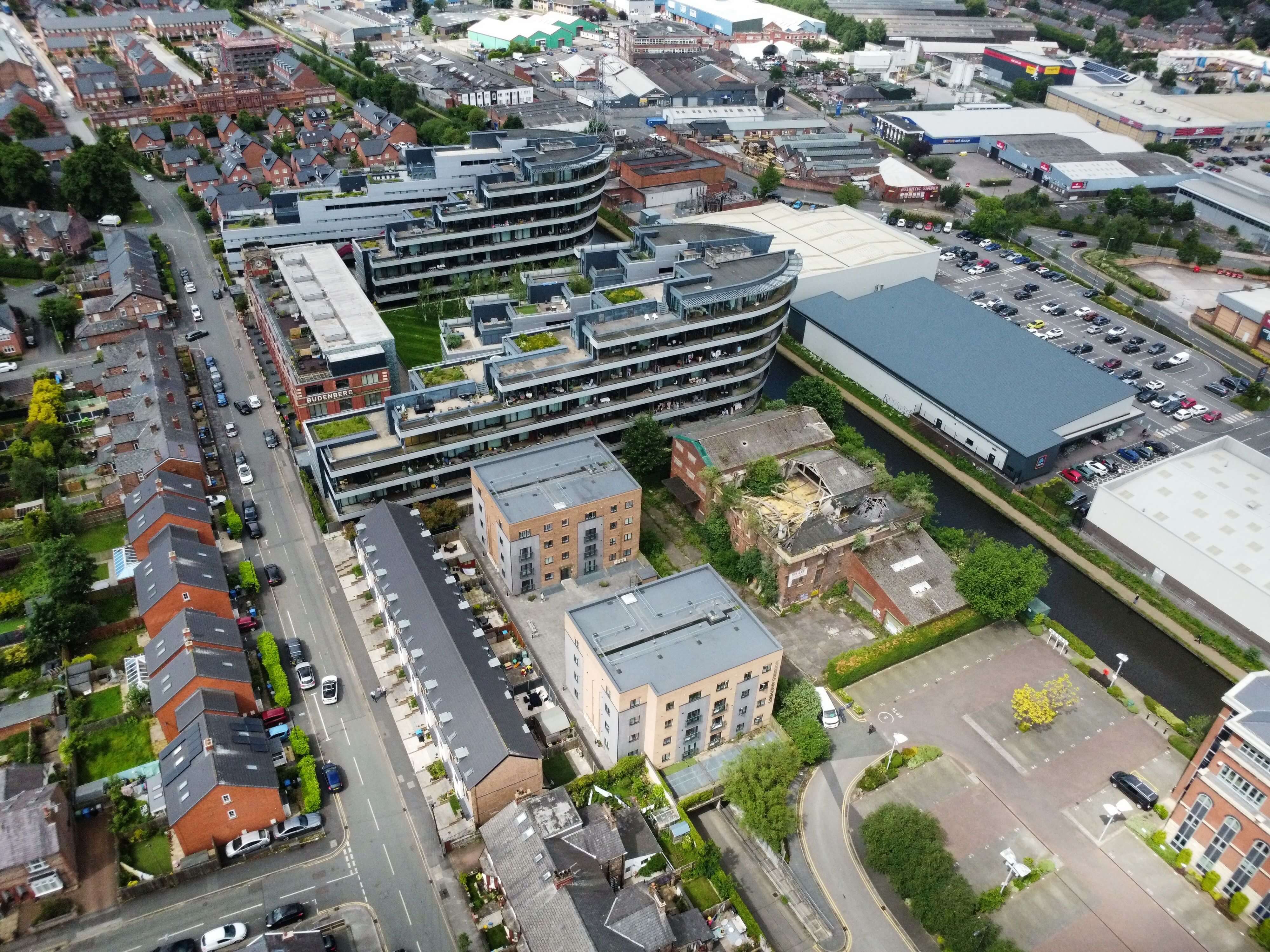
Manchester continues to attract attention from property investors, but the city's success is also raising questions about affordability, housing quality and who benefits from its transformation.
A recent Financial Times analysis examined Manchester's economic and property development over the past three decades. The city has benefited from infrastructure investment, business growth and residential regeneration, while property prices have risen by more than 60% over the past decade according to the report.
Why investors continue to watch Manchester
Manchester offers a combination that has attracted investors for years:
-
A large employment base
-
Universities and a substantial student population
-
Transport investment
-
Growing business activity
-
Regeneration opportunities
-
Property prices that remain comparatively lower than London
These factors can support demand for both owner-occupied and rental housing.
However, a strong city-wide narrative does not mean every neighbourhood or property delivers the same investment outcome.
Growth does not eliminate risk
Investors assessing Manchester need to look beyond headline price growth.
A property may appear attractive because of its location, but service charges, maintenance costs, financing costs and achievable rent can materially affect returns.
New-build apartments, for example, may offer modern facilities and convenient locations, but investors should examine management fees, lease terms, resale demand and the level of competing supply.
The affordability question
The city's transformation has also created concerns about whether local residents can keep pace with rising housing costs.
When property values and rents rise faster than incomes, the benefits of regeneration may not be evenly distributed.
For investors, this is not merely a social question. Affordability affects tenant demand, political attention, planning decisions and the long-term sustainability of a market.
What should investors examine?
Before purchasing, investors should assess:
-
Local rental demand
-
Comparable rents
-
Vacancy risk
-
Mortgage and financing costs
-
Service charges
-
Tax obligations
-
Planned developments
-
Exit demand
-
Property management requirements
The investment lesson
Manchester remains an important market to watch, but successful investment requires more than choosing a city with a positive reputation.
The key question is not simply "Is Manchester growing?"
It is:
"Which locations, property types and investment strategies are positioned to benefit from that growth, and at what cost?"
Source: Financial Times analysis of Manchester's economic and property transformation.